Central Seat Stripes In Leather Matching Cldt/Cldx
유광 탄소 섬유 대시보드 액센트
카발리뇨 엠블럼 자수가 있는 헤드레스트
Cavallino On Rear Seats In Emph/X
동승자 디스플레이
고객 선택 색상 가죽 조수석 액센트
100% 전동 환기 프론트 시트
고객이 선택한 색상의 표준 스티칭
ACC(어댑티브 크루즈 컨트롤) 및 전방 레이더
사각지대 감지 및 후방 레이더
비-열전도 윈드스크린
듀얼 모드 MagneRide 서스펜션
전자크롬 외부 후방 미러
개인화(퍼스널라이제이션) 팩
스마트폰 연결
프리미엄 Hi-Fi 시스템
서라운드 뷰
무선 스마트폰 충전기
소비
Low19.2l/100km
Mid10.7l/100km
High9.5l/100km
Extra High10.4l/100km
Combined cycle11.4l/100km
배출량
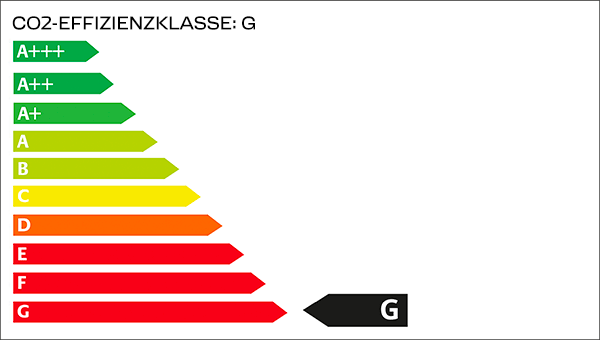
High217g/km
Extra High235g/km
Combined cycle258g/km
*** The indicated values of fuel consumptions and CO2 emissions were determined in accordance with the prescribed measurement procedure (§ 2 Nos. 5, 6, 6a Pkw-EnVKV in the version applicable). The fuel consumption and CO2 emission figures refer to the NEDC cycle. Further information on official fuel consumption and the official specific CO2 emissions of new passenger cars can be found in the’ Guide on Fuel Consumption, CO2 Emissions and Electricity Consumption of New Passenger Cars’, which is available at all points of sale and on the Internet at https://www.dat.de/leitfaden/GuideCO2.pdf free of charge. In addition to the fuel efficiency of a car, driving behaviour, as well as other non-technical factors play a role in determining a car’s fuel consumption, power consumption and CO2 emissions. CO2 is the main greenhouse gas responsible for global warming. Also different equipment/supplementary equipment as well as accessories can have an influence on relevant factors, such as weight, aerodynamics or (rolling) friction, and might lead to higher fuel consumption, power consumption or CO2 emissions.