Central Seat Stripes In Leather Matching Cldt/Cldx
亮光饰面碳纤维仪表板装饰条
头枕上的刺绣跃马车标
Cavallino On Rear Seats In Emph/X
乘客显示屏
真皮乘客舱装饰条,颜色可由客户选择
全电动通风前排座椅
客户可选颜色的标准缝线
ACC (自适应巡航控制系统) 和前部雷达
盲点探测和后部雷达
不导热挡风玻璃
MagneRide 磁流变双模式悬架
电致变色外部后视镜
个性化组件包
智能手机连接装置
高级高保真音响系统
Surround View (环视系统)
无线智能手机充电器
耗油量
低速段19.2l/100km
中速度10.7l/100km
高速段9.5l/100km
超高速段10.4l/100km
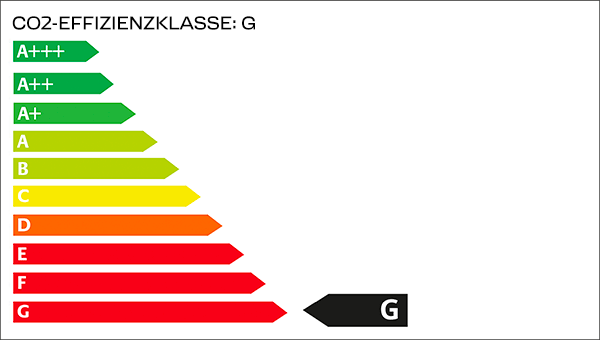
二氧化碳综合排放11.4l/100km
排放
高速段217g/km
超高速段235g/km
综合油耗258g/km
*** The indicated values of fuel consumptions and CO2 emissions were determined in accordance with the prescribed measurement procedure (§ 2 Nos. 5, 6, 6a Pkw-EnVKV in the version applicable). The fuel consumption and CO2 emission figures refer to the NEDC cycle. Further information on official fuel consumption and the official specific CO2 emissions of new passenger cars can be found in the’ Guide on Fuel Consumption, CO2 Emissions and Electricity Consumption of New Passenger Cars’, which is available at all points of sale and on the Internet at https://www.dat.de/leitfaden/GuideCO2.pdf free of charge. In addition to the fuel efficiency of a car, driving behaviour, as well as other non-technical factors play a role in determining a car’s fuel consumption, power consumption and CO2 emissions. CO2 is the main greenhouse gas responsible for global warming. Also different equipment/supplementary equipment as well as accessories can have an influence on relevant factors, such as weight, aerodynamics or (rolling) friction, and might lead to higher fuel consumption, power consumption or CO2 emissions.